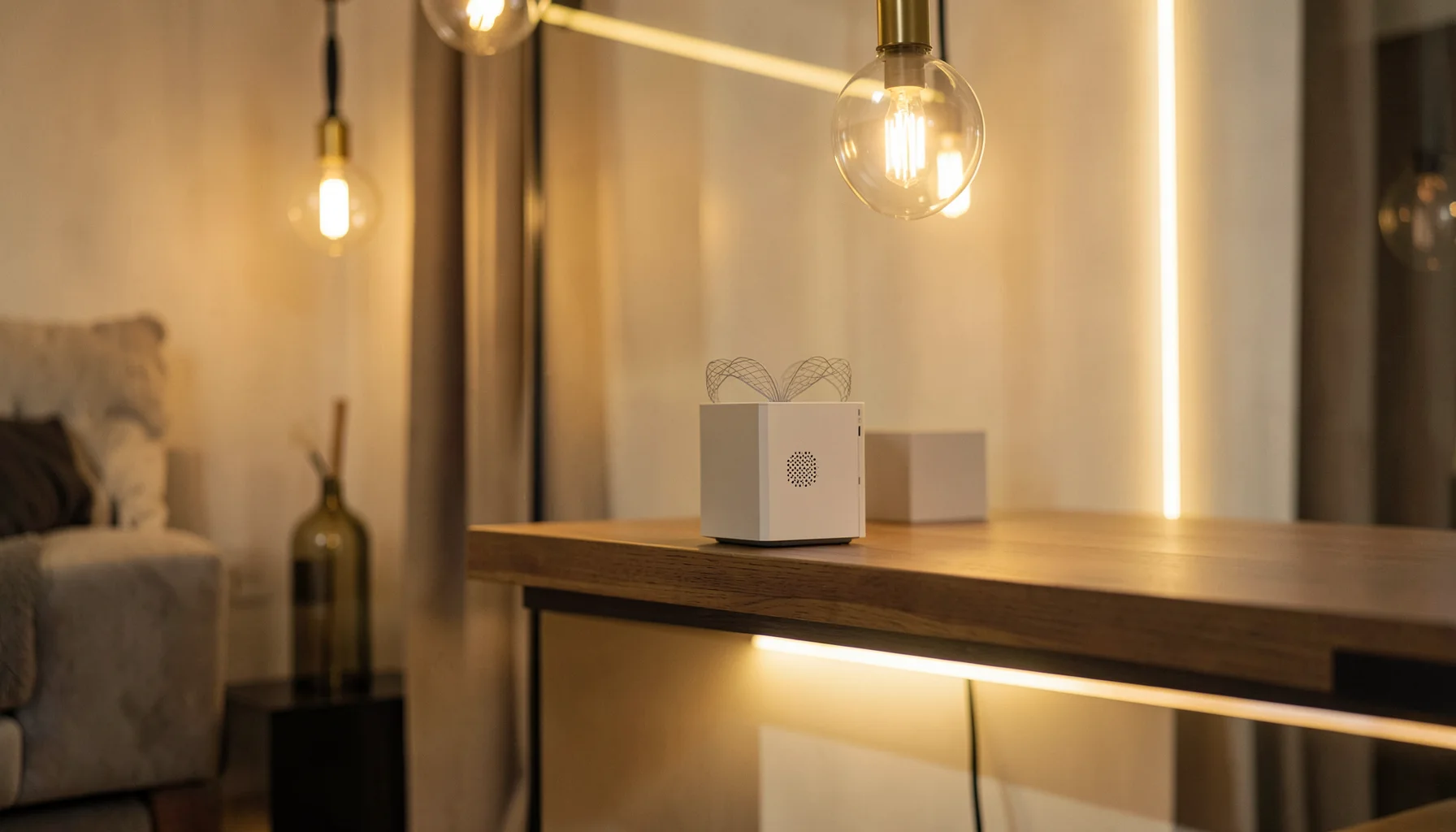
Embracing Local Control and Privacy
Proprietary smart lighting systems often lock users into specific brands and cloud services, raising concerns about data privacy and long-term device compatibility. Home Assistant, paired with the Zigbee protocol, offers a robust open-source alternative. This setup centralizes control on a local server, typically a Raspberry Pi, eliminating reliance on manufacturer clouds. Zigbee, a low-power wireless mesh network standard, ensures devices communicate directly with your hub, enhancing responsiveness and network stability. For those prioritizing data security and system longevity, this combination provides a powerful foundation for managing home lights independently, ensuring your data remains within your home network.
Essential Hardware for Your Smart Grid
Building a Home Assistant and Zigbee lighting system requires a few key components. At its heart is the Home Assistant server, which can run on various hardware, with a Raspberry Pi being a popular, cost-effective choice for its balance of performance and affordability. To bridge Home Assistant with Zigbee devices, a dedicated Zigbee coordinator USB dongle is essential. Devices like the Sonoff Zigbee 3.0 USB Dongle Plus or ConBee II act as the network’s brain, allowing Home Assistant to discover and manage Zigbee light bulbs, switches, and sensors from numerous manufacturers. This interoperability is a significant advantage, freeing users from single-brand limitations and often leading to better value through diverse hardware options.
Beyond Basic On/Off: Automation and Savings
The true power of Home Assistant and Zigbee lies in its unparalleled customization and robust local execution. Users can create intricate automations based on presence detection, time of day, weather conditions, or even external sensor data, all processed within your home network. Imagine lights gracefully dimming as you settle in for a movie, or exterior lights activating only when motion is detected after sunset, intelligently integrating with security protocols. This granular level of control optimizes energy consumption, potentially leading to noticeable reductions in utility bills over time. Furthermore, the vibrant open-source community provides continuous innovation, offering new integrations and solutions that constantly expand system capabilities. While the initial setup demands a degree of technical comfort and a learning curve, the long-term benefits in terms of flexibility, privacy, and cost-effectiveness are substantial, cementing its position as a ‘best value’ proposition for the technically inclined smart home enthusiast seeking genuine control.